
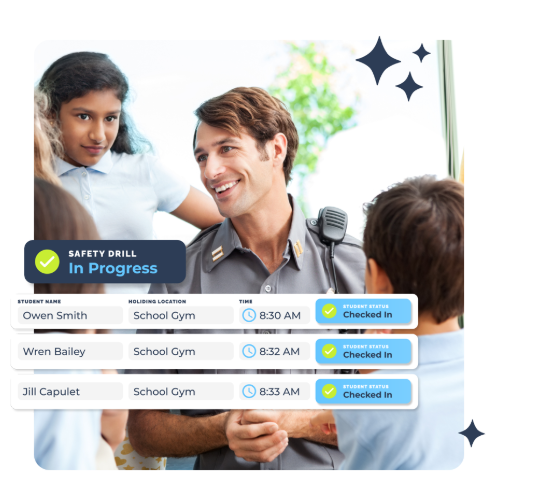
In today’s fast-paced, unpredictable world, school safety is more than just a checklist—it’s a lifeline. Whether it's an active shooter, a weather emergency, or a medical crisis, every second counts. That’s why schools across the globe are turning to school emergency notification system to respond faster and communicate more effectively.
The traditional ways of managing school emergencies—PA announcements, printed notices, or phone trees—are simply not enough anymore. Modern school emergency alert platforms enable real-time messaging, mass notifications, and coordinated responses that can save lives.
In this blog, we’ll explore how these platforms work, why they’re essential, and how schools can implement them successfully.
The Rising Need for Emergency Communication in Schools
Schools are no longer immune to emergencies. From natural disasters like floods and wildfires to man-made threats such as intruders and violence, the types of crises schools face have multiplied.
According to the National Center for Education Statistics (NCES), over 75% of public schools reported at least one violent incident during the school year. Moreover, weather-related closings and health emergencies (like COVID-19) continue to highlight the importance of real-time communication.
The Problem with Outdated Systems
Traditional school messaging systems such as email, intercoms, or phone chains often fail during critical moments. They are:
Too slow to respond in seconds.
Limited in reach, often missing off-campus stakeholders like parents.
Lacking automation, making it difficult to coordinate response protocols.
That’s where school emergency alert platforms come in.
What is a School Emergency Alert Platform?
A school emergency alert platform is a digital solution that allows schools to send real-time alerts, instructions, and updates to students, staff, parents, and first responders during emergencies. These platforms integrate with various devices—phones, computers, intercoms, and even digital signage—to ensure that communication is instant, clear, and multi-channel.
Most platforms support features such as:
- Mass SMS and email alerts
- Push notifications
- Voice calls and pre-recorded messages
- Geolocation-based notifications
- Two-way communication
- Integration with PA systems and alarm systems
These capabilities combine to create a seamless school messaging system that works even in the most chaotic situations.
How Emergency Alert Platforms Save Lives
Let’s break down how these platforms can literally make the difference between life and death.
1. Instant Notifications
Speed is critical in emergencies. A delay of even 30 seconds can result in chaos or casualties. A modern alert platform allows schools to send a message to thousands of recipients within seconds—whether it's a lockdown notice, evacuation order, or weather alert.
Example: If a school identifies an armed intruder, an emergency alert can immediately notify all classrooms to lock doors and stay silent, while also contacting law enforcement and alerting parents.
2. Multi-Channel Communication
Not everyone checks their email in a crisis. That’s why effective platforms push alerts through multiple channels simultaneously—SMS, mobile apps, emails, desktop pop-ups, voice calls, and even smart classroom devices. This redundancy ensures that no one misses the message.
3. Customizable Scenarios and Protocols
Most emergencies fall into recognizable patterns. Alert platforms allow schools to pre-program response templates for different types of crises. Whether it's a fire drill or a missing student, having protocols ready to launch in one click speeds up decision-making and improves outcomes.
4. Two-Way Communication
Staff and even students can send distress signals or report threats. This two-way communication feature is crucial for verifying safety, locating missing persons, or updating the administration with real-time details from inside classrooms.
5. Improved Coordination with First Responders
Many platforms integrate with public safety systems, allowing local police or EMS to receive alerts and details instantly. Some systems even offer real-time mapping of the campus, which helps responders navigate quickly and reduce confusion during high-stress situations.
Real-World Example: Saving Time, Saving Lives
In one U.S. high school, a student collapsed due to a severe allergic reaction. Thanks to their emergency alert system, the school nurse was notified in under 10 seconds, while an alert went out to 911 with the student’s location. EMS arrived in less than 6 minutes—enough time to administer life-saving treatment.
Without this system, the time spent trying to reach help could have had tragic consequences.
Choosing the Right School Emergency Alert Platform
If your school is evaluating solutions, consider these features:
| Feature | Why It Matters |
|---|---|
| Speed & reliability | Ensure the system delivers alerts in under 10 seconds. |
| Multi-channel delivery | Covers all communication bases. |
| Mobile-friendly | Parents and staff are often on the move. |
| Automation | Pre-built templates reduce human error. |
| Integration | Syncs with existing school messaging systems. |
| Compliance | Ensure it meets FERPA, HIPAA, and other regulations. |
Popular vendors in this space include Pikmykid, CrisisGo, Blackboard, and SchoolMessenger, among others.
Implementation Best Practices
Implementing a school emergency alert platform isn’t just about buying software. Here are key steps to ensure success:
Involve Stakeholders Early – Engage teachers, IT staff, parents, and local emergency services.
Train Regularly – Conduct drills using the alert system so staff knows what to do.
Keep Data Up-to-Date – Make sure contact information is current to avoid missed alerts.
Test the System Frequently – Run monthly or quarterly tests to ensure reliability.
Collect Feedback – After each use, review what worked and what didn’t to improve response plans.
The Role of School Messaging Systems in Everyday Communication
While emergency alert platforms shine during crises, they also enhance day-to-day communication.
Schools can use the same platform to:
1.Notify parents of early dismissals or closures
2. Share event reminders
3. Alert staff about schedule changes
4. Send student attendance or behavior alerts
When an emergency strikes, having an already familiar messaging system in place means quicker, calmer responses from the community.
Final Thoughts
The reality is clear: emergencies happen, and preparation saves lives. A school emergency alert platform provides the tools needed to respond quickly, communicate clearly, and protect everyone on campus.
In just seconds, these platforms turn potential tragedies into manageable situations—giving schools the power to act decisively when it matters most.
Whether you’re a school administrator, IT director, or concerned parent, now is the time to invest in the technology that can make all the difference.
Frequently Asked Questions (FAQ)
Q1: What’s the difference between a school emergency alert platform and a school messaging system?
A: A school emergency alert platform is specifically designed for high-stakes, time-sensitive communication during crises. A school messaging system may be used for general updates and notices. Many emergency alert systems also serve as full messaging platforms.
Q2: Are these platforms only for large schools?
A: No. Emergency alert platforms can be scaled for small schools, K–12 districts, and even individual classrooms. Many providers offer flexible pricing based on school size.
Q3: How are parents included in emergency alerts?
A: Most systems allow parents to register their contact information. Alerts can then be sent via SMS, email, or voice call to parents, guardians, and caregivers during emergencies.
Q4: Is internet required for these systems to work?
A: While internet access improves functionality, many platforms use SMS and voice networks, which can operate independently of Wi-Fi or data services.
Q5: Are emergency alerts customizable?
A: Yes. Most platforms offer customizable templates for various scenarios—lockdown, fire, weather alert, medical emergency, etc.—which can be triggered manually or automatically.